Democrats Take Full Control of New Hampshire, Flipping Both State Chambers
Republican Gov. Kelly Ayotte retains her seat, but Democrats captured the state legislature in a historic shift for New England voters.
By Naomi Tesfaye ·
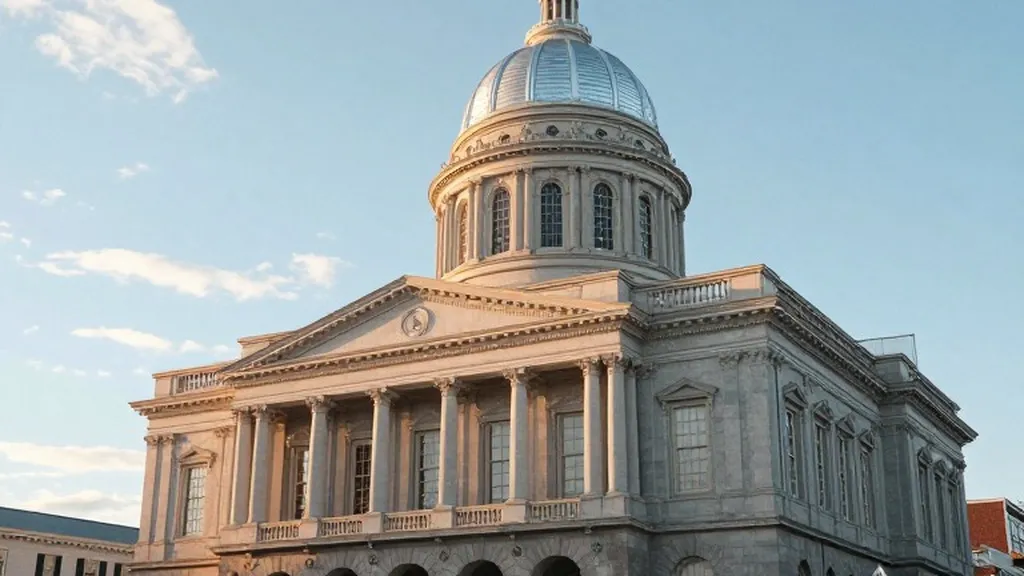
New Hampshire voters delivered a decisive message to state leaders on Tuesday, electing Republican Governor Kelly Ayotte to another term while handing full control of the state legislature to the Democratic Party. This outcome marks a significant realignment in the Granite State, where Democrats now hold both chambers of the state government, a feat that has not occurred in the state in many years. The Associated Press confirmed that Democrats won control of both the House and the Senate in the state, ending decades of divided or Republican-led governance in the legislature.
The victory for Democrats in the state legislature stands in contrast to the national trend, where the party secured majorities in both chambers of Congress. Nationally, Democrats picked up at least 43 House seats and seven Senate seats, securing a majority in both chambers for the first time in a midterm cycle. In New Hampshire, however, the partisan dynamics played out differently at the executive level. Governor Ayotte, who had been defending her seat in a state that President Donald Trump won in the 2024 presidential election, successfully retained her position. Her re-election ensures that the state will continue to have a Republican governor, but her ability to execute the executive agenda will face immediate hurdles from the new Democratic-led legislature.
This legislative flip is part of a broader pattern observed across New England and other parts of the country. In neighboring states, Democrats also made significant gains. In Maine, Democrats flipped the lower chamber of the state legislature, adding to their growing presence in statehouses across the region. The Associated Press noted that Democrats won full control of state governments in at least six states where they previously shared power with Republicans, including Michigan, Minnesota, Pennsylvania, Nevada, and Wisconsin. New Hampshire joined this list of states where Democrats consolidated their grip on state legislative power.
The National Council of State Legislatures indicated that this election cycle is likely to end up as the one with the most legislative seats and chambers changing parties since the 2010 election. That year, Republicans took over governments across the country amid the Great Recession. In 2026, the momentum reversed sharply, with Democrats gaining control of 12 state legislative chambers that had previously been held by Republicans. No Republican party gained control of any chamber in this cycle, highlighting the strength of the Democratic wave in state races.
For New Hampshire residents, the shift in the state legislature has immediate implications for state policy. With a Democratic majority in both chambers, the legislature will be better positioned to pass bills that align with their platform, potentially including measures on taxes, healthcare, and education. Governor Ayotte, a Republican, will now have to work with a legislature controlled by her political opponents. This dynamic creates a divided government in New Hampshire, a scenario that often leads to legislative gridlock or requires compromise on key issues. The new legislative leadership will likely focus on addressing concerns raised by voters during the campaign, such as the cost of living and infrastructure needs.
Voters in New Hampshire expressed frustration with the current direction of the country and the state economy. A recent Associated Press voter poll found that three-quarters of voters nationwide said the economy was not so good or poor, and about 8 in 10 said inflation had caused severe or moderate financial hardship. While New Hampshire is not as economically volatile as some other states, these national trends influenced local voting behavior. The election results reflect a desire for change at the state level, even as voters chose to keep the incumbent governor in place.
The national context of the election further complicates the political landscape for New Hampshire leaders. With Democrats now controlling both chambers of Congress, federal policy will shift, potentially affecting state funding and regulations. The new Congress is expected to scrutinize executive actions and introduce legislation that may impact states like New Hampshire. Governor Ayotte and the new Democratic legislature will need to navigate these federal changes while managing their own state-level priorities. The relationship between the state and federal governments is likely to be more complex in the coming years, with both parties holding significant power in different arenas.
In the Senate, New Hampshire did not have a race on the ballot this cycle, as the state's two senators are not up for re-election until the next cycle. This allowed the state's political attention to focus on the governor and legislative races. The outcome in the legislature, however, will have a lasting impact on the state's political balance. Democrats will now have the opportunity to set the legislative agenda and potentially block or modify bills signed by Governor Ayotte. This shift in power dynamics is a clear indication of the changing political tides in New England.
Across the country, Democrats also made gains in other New England states. In Maine, the lower chamber of the legislature flipped to Democratic control, while the state's open governor's race remained a key battleground. In Rhode Island, the governor's race was an open seat following the primary loss of incumbent Democrat Daniel McKee, and the state did not have a Senate race. In Vermont, the incumbent Republican Governor Phil Scott faced re-election in a state that does not have a Senate race this cycle. In Massachusetts, incumbent Democrat Edward J. Markey was up for re-election in the Senate, and incumbent Democrat Maura Healey ran for governor. These races contributed to the broader New England narrative of Democratic resilience and growth.