DIY Decorations Refresh Household Items for Pennies
Consumers can update water bottles, laptop covers, and storage containers using stickers, patches, and paint without hiring professionals or buying new goods.
By Adrian Kovalenko ·
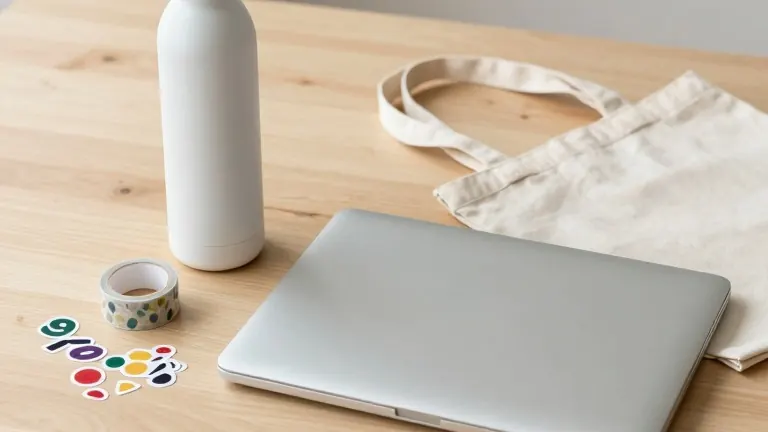
Households can update the appearance of daily essentials without replacing them. Small decorative additions allow owners to distinguish personal property in shared spaces like schools, gyms, and offices. These updates rely on affordable supplies rather than professional design services.
The most common tools for this task include die-cut stickers, fabric patches, decorative tape, and paint markers. Stickers work on hard surfaces such as notebooks, water bottles, and storage boxes. Fabric patches add initials or designs to backpacks, jackets, and tote bags. Keychains and charms personalize bags and zipper pulls, while iron-on designs customize compatible fabric items.
Reusable water bottles often look identical in crowded environments. Water-resistant stickers help owners identify their specific bottle. Users must choose stickers that match the bottle's finish. They should also follow manufacturer cleaning instructions to ensure the decoration lasts.
Laptop covers provide a flat surface for subtle changes. Small decals or removable skins can add initials or geometric patterns. Owners must avoid covering ventilation openings, ports, screws, or identification labels. Phone cases receive similar treatment with decorative stickers or small inserts. These additions refresh the look of a case without requiring a new purchase. Users should keep camera openings clear.
Notebooks and journals benefit from custom labels and colored tape. These tools help organize subjects or projects. A consistent design across multiple notebooks keeps stationery looking coordinated. Backpacks can use fabric patches and luggage tags to add color or identification. Attachments should not interfere with zippers or straps.
Home offices can use matching labels on pen holders and document trays. This creates a coordinated workspace without new furniture. Keys and keychains use colored covers or tags to distinguish house, office, and storage keys. Owners should avoid displaying sensitive information like home addresses on visible tags.
Kitchen and storage containers use water-resistant labels to identify ingredients or dates. Decorations should stay on the outside to avoid direct food contact. Plain plant pots can accept paint or adhesive decorations. Materials must tolerate moisture and leave drainage holes open. Reusable shopping bags take on new designs through fabric patches or heat-transfer graphics. Users should check fabric care instructions before applying heat or adhesive.
Surface compatibility dictates which materials work best. Plastic, metal, glass, and fabric each require specific adhesives or paints. Cleaning requirements and heat exposure affect durability. Removable options suit rented or borrowed items. Decorations should stay away from moving parts, vents, and safety information.
A limited color palette keeps small items from appearing busy. Neutral shades with one accent color create a balanced look. Design size must match the available space. Smaller designs suit professional settings. Consistent lettering and patterns connect unrelated items like notebooks and desk accessories.
Functionality remains the priority for frequently used items. Raised decorations can interfere with friction or regular contact. Starting with one or two simple ideas helps users test materials before spending more on supplies. This approach prevents waste and keeps costs low.
More Business · Business Watchdog · Report a business · Got a Story?