Lebanese Reporter Amal Khalil Killed in Al-Tiri Strike
A 21-year-old photographer survived the attack, but her 42-year-old colleague died roughly one hour before rescue crews could return to the scene.
By Naomi Tesfaye ·
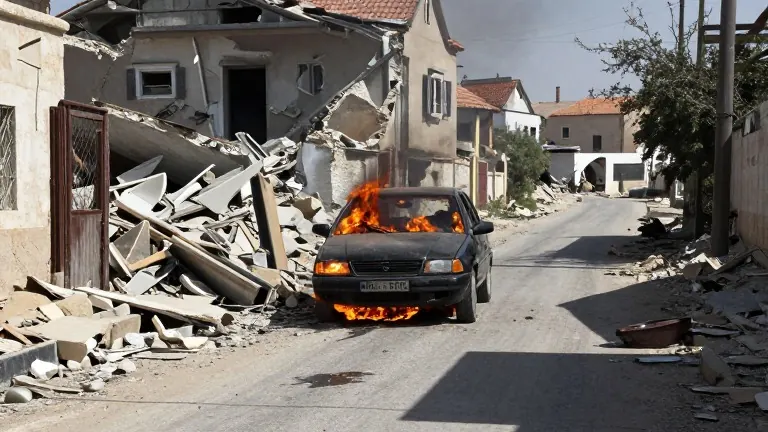
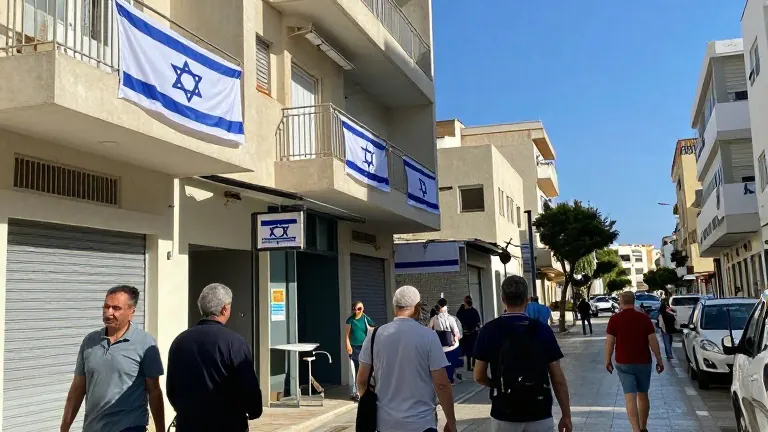
A ceasefire had taken hold in southern Lebanon just weeks prior, prompting residents to return to villages that had been heavily bombed in April. Two journalists traveled to the area on April 22 to document the damage, unaware that the truce would end for them in the village of al-Tiri.
Amal Khalil, a 42-year-old newspaper reporter, and Zeinab Faraj, a 21-year-old photojournalist, were traveling with Ali Nabil Bazzi, 27, and Mohammed Hourani, 37. The group met earlier that day at Tebnine governmental hospital, a location locals considered relatively safe. Faraj, who was finishing her degree in radio and television, had teamed up with Khalil after the veteran reporter contacted her following a social media post.
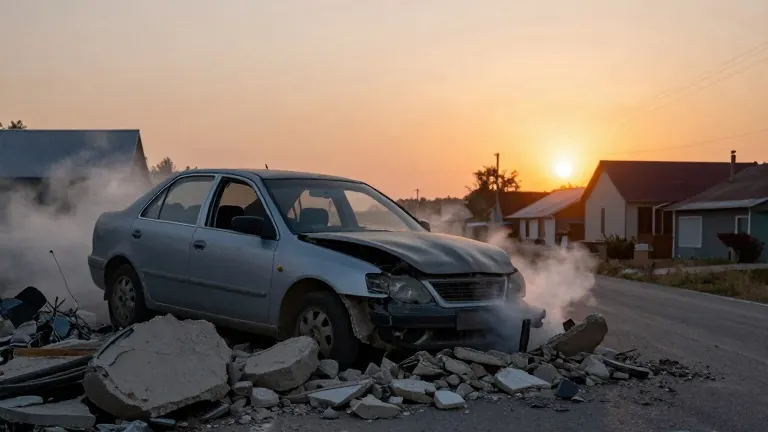
A missile struck the vehicle in front of them, setting it on fire. Faraj heard Khalil screaming before seeing the flames. Drones circled low overhead as the two women made frantic calls to emergency services. Paramedics on the line told them to drive back up the road because ambulances could not reach their position.
As Faraj and Khalil attempted to return to their car, a second missile hit the vehicle. Both were thrown backward. Khalil wrapped her arms around Faraj, hoping the drones would assume they were dead. With blood on her face, hand, and leg, Khalil moved slowly to a nearby house. Faraj sent a final text to her sister: “There’s no hope left. Forgive me.”
The two took shelter on the bathroom floor. Faraj crawled to watch the road while a drone descended toward her. A subsequent missile strike collapsed the building, trapping Faraj under rubble. A paramedic reached her shortly after the impact. He held her by the shoulders while a second crew member cleared the debris. Faraj clung to the rescuer, telling him, “Don’t leave me. I’m afraid to stay alone.”
Khalil was not pulled from the building. Faraj later learned at the hospital that her colleague had died. The Israeli military stated the strike targeted saboteurs violating the ceasefire. Human rights groups labeled the incident a war crime. Military sources said they received repeated requests to allow a rescue operation while Khalil and Faraj sheltered in the building.
Khalil had described her work as “terrorist media” in a video shared by an Israeli spokesperson one week before the strike. She also reported receiving death threats from Israeli phone numbers. Faraj is now returning to university with a limp and visible injuries to her face and hand. She still wakes screaming at night, reacting to sounds that remind her of the drones overhead.
Source: The Guardian