Takashi Yamazaki Returns for a Heavier, Slower Godzilla Sequel
The new film expands the human drama at the expense of monster action, earning a mixed reception for its pacing and character depth.
By Naomi Tesfaye ·
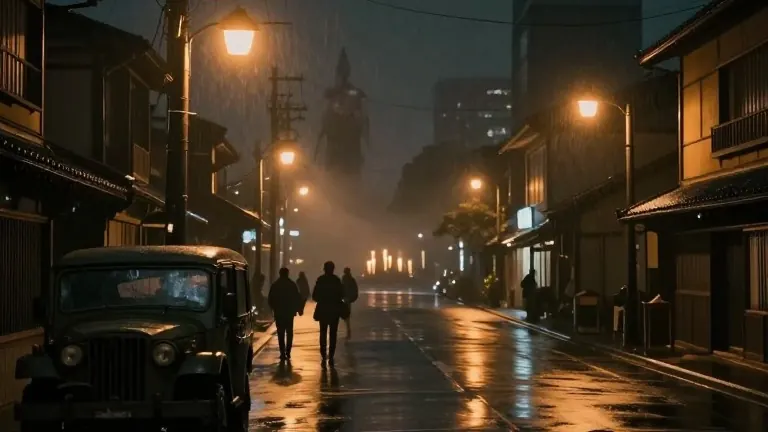
Moviegoers who saw the Oscar-winning 'Godzilla Minus One' will find a familiar director and a different tempo in the sequel. 'Godzilla Minus Zero,' directed by Takashi Yamazaki, shifts focus away from the giant monster and toward the people of postwar Japan. The film arrives in IMAX theaters on Tuesday and in wide release on Friday.
The story picks up two years after the first film, in 1949. It follows Kōichi Shikishima, his wife Noriko, and their young daughter Akiko. The family navigates the lingering trauma of World War II. They are careful to limit their joy so as not to upset orphaned children at Akiko’s school. This human scale defines the tone of the new movie.
A new threat emerges in the form of Ghidorah, a three-headed dragon that spews lightning. The monster’s path of destruction mirrors the earlier traumas of the Japanese people. Professor Kanji Murakami, who lost his family in the atomic bombing of Hiroshima, views the attack on Matsumoto through the lens of past grief. His anger also targets the occupying American forces, who are portrayed as self-serving and distant from Japan’s crisis.
The fight against Ghidorah falls to a team led by naval engineer Kenji Noda. His group includes meteorologist Makoto Aoyama, who predicts monster movements using weather patterns. Shikishima and his wife reluctantly join the effort. The decision forces them to leave their daughter behind, a choice that carries heavy emotional weight for the family.
Critics note that the human drama often overtakes the monster spectacle. The characters’ deliberations feel artificial to some viewers. The film runs for 135 minutes, a length that some find bloated. Audiences are left waiting for Godzilla’s appearance, which feels like a delay in the narrative. The human ensemble does not always have enough depth to carry the film’s weight.
The film features two major monster set pieces. One mid-movie aerial sequence involves a seaplane and Godzilla. This moment is described as exhilarating and a standout visual achievement. The score by Naoki Satō adds to the sense of dread. However, the final battle between Ghidorah and Godzilla is criticized as labored. The staging of the climax feels awkward, with human movements distracting from the monster melee.
The movie is rated R for violent content and bloody images. It is presented in Japanese with English subtitles. The film is distributed by GKIDS. Reviewers gave it two stars out of four. The sequel serves as a bridge to a potential third entry, though it leaves the door open for future stories. The focus remains on the reconciliation of ecological disaster and human resilience in a changing world.
Source: WTOP News