FDA Proposes First Major Infant Formula Standard Update in 30 Years
The agency seeks public input on new nutrient levels and contaminant data ahead of a final rule.
By Julia Wang ·
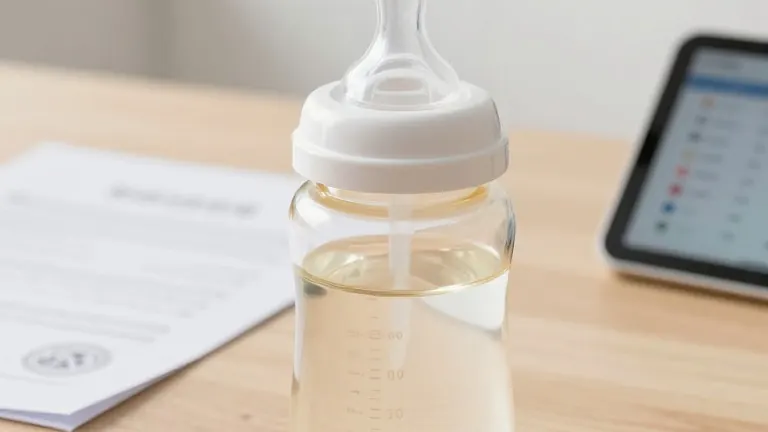
The Food and Drug Administration released a proposed rule on Thursday that would update nutrient requirements for infant formula for the first time in nearly three decades.
The Department of Health and Human Services announced the first of three planned proposals. The draft rule adjusts levels for iodine, manganese, vitamin A, and vitamin D. It also reaffirms current standards for chloride, potassium, selenium, and sodium. The agency seeks feedback on whether to mandate arachidonic acid, docosahexaenoic acid, and L-carnitine, ingredients that manufacturers sometimes include voluntarily. Evidence suggests these components support neurodevelopmental health in infants.
Future phases of the review will examine other required nutrients and carbohydrate sources. The FDA intends to combine all changes into a single final rule. The agency also released new chemical contaminant testing results for formulas sold in the United States. Samples were tested for pesticides, PFAS, phthalates, and heavy metals including arsenic, cadmium, lead, and mercury. The FDA stated that most samples showed low or non-detectable levels of these contaminants.
The results are now available on a new public dashboard. HHS Secretary Robert F. Kennedy Jr. said parents deserve confidence in every bottle they feed their baby. He noted that the agency is proposing stronger nutrient requirements and testing formula for contaminants under Operation Stork Speed and the Make America Healthy Again agenda. He stated the administration will hold manufacturers to rigorous scientific standards.
Public comments on the proposed rule are due by Feb. 26. The FDA said it will continue monitoring contaminant levels in infant formula products. The agency plans to take action when appropriate based on its findings.
The proposal marks the start of a comprehensive review of infant formula standards. The agency will issue two additional proposals before finalizing the regulations.
Source: WBTS-CD