New England voters face varied hours and ID rules on Election Day
From Vermont's early morning openings to Massachusetts' standard closing times, here is what to know before heading to the polls in the region.
By Naomi Tesfaye ·
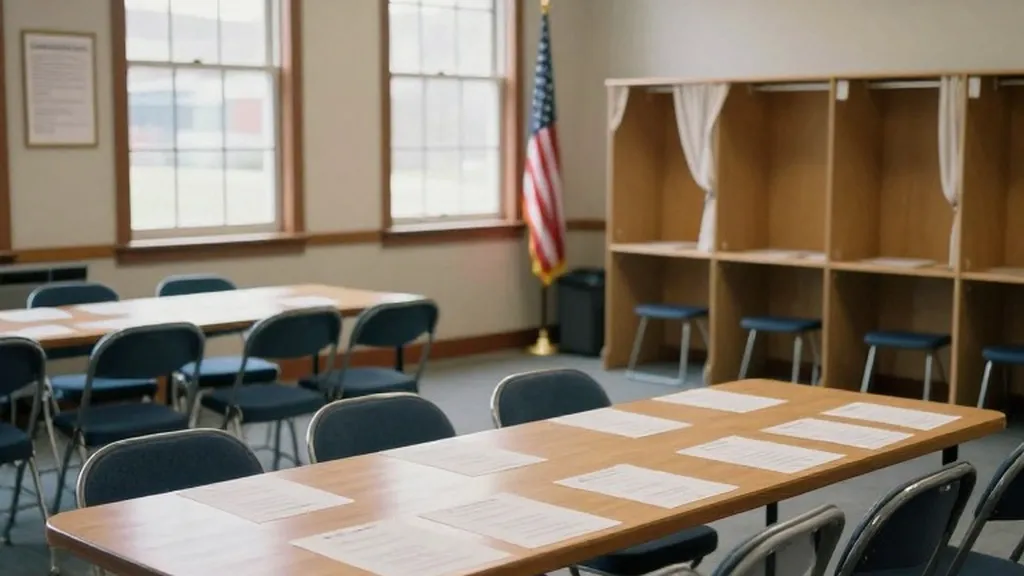
Voters across New England are heading to the polls on Tuesday, November 3, 2026, to determine the balance of power in Congress and statehouses. The administration of this election has drawn attention, with the United States Postal Service adding hours, staff, and special lines to ensure mail ballots are counted on time. This logistical effort is critical as more than 57 million people had already cast ballots as of Monday, a figure that surpasses the early vote of four years ago in many closely watched states. The Associated Press describes the election as a referendum on President Donald Trump's second term, with many voters struggling with high prices and expressing anger over an unpopular war with Iran.
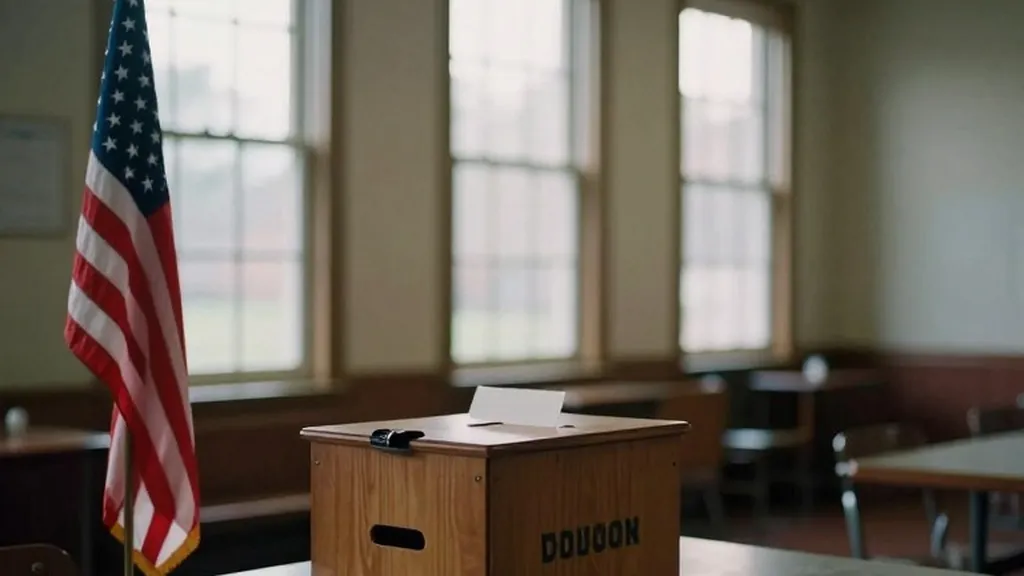
Polling hours vary significantly across the region, requiring residents to check local times before departing. In Massachusetts, polls are open from 7 a.m. to 8 p.m. local time. Rhode Island also operates on a 7 a.m. to 8 p.m. schedule. Maine voters have a slightly earlier start, with polls opening at 6 a.m. and closing at 8 p.m. However, small towns in Maine may open later, so residents should verify specific local times. Vermont presents a different structure, with polls opening between 5 a.m. and 10 a.m. and closing at 7 p.m. This state relies heavily on mail voting, a method that the Postal Service is actively supporting with additional resources.
New Hampshire has the most variable schedule in the region. According to Ballotpedia, poll hours vary by municipality. While specific opening times differ, polls must be open by 11 a.m. and close no earlier than 7 p.m. This variability means that New Hampshire residents must check their specific town's rules. In all these states, anyone who is in line when the polls close is entitled to vote. This rule is a key protection for voters who arrive near the end of the voting window. The flexibility of lines also helps mitigate the impact of long waits, which can occur in high-turnout precincts.
Identification rules also differ by state, adding another layer of complexity for first-time voters or those moving between jurisdictions. Ballotpedia notes that ID rules vary by state, and voters are advised to check their state's specific requirements before going to the polling place. In some states, a photo ID is mandatory, while others allow non-photo identification or no ID at all if the voter is registered. Failure to bring the correct identification can result in a provisional ballot, which may or may not be counted depending on when the voter provides proof of identity. This administrative detail is a frequent source of confusion and is a key focus for election officials in New England.
The U.S. Senate races in the region are particularly competitive. In Massachusetts, incumbent Democratic Senator Edward J. Markey is seeking re-election. In Rhode Island, incumbent Democratic Senator Jack Reed is also running for another term. New Hampshire has an open Senate seat, with Democratic Representative Chris Pappas facing former Republican Senator John E. Sununu. The Associated Press notes that economic strain and tariffs have made some states more competitive, a factor that is likely influencing voter turnout in these districts. The outcome of these races could determine which party controls the Senate, a chamber that requires a net gain of four seats for Democrats to achieve a majority.
Governor's races are also on the ballot in several New England states. In Massachusetts, incumbent Democratic Governor Maura Healey is seeking re-election. In New Hampshire, incumbent Republican Governor Kelly Ayotte is running for a second term. Vermont has an open governor's seat, with incumbent Republican Governor Phil Scott not running again due to term limits or choice, though the source facts indicate he is the incumbent in a race where the party holds the office. Actually, the source facts state Phil Scott is the incumbent in Vermont for the governor race. In Rhode Island, the governor's seat is open following the primary defeat of Daniel McKee. These races are part of a broader contest for governorships, where Democrats would need a net gain of two offices to hold a nationwide majority, a position Republicans have held since 2010.
Voters can find their specific polling place at vote.gov or by contacting their state election office. This resource is crucial for navigating the varied hours and locations across the region. The website provides up-to-date information on polling locations, hours, and ID requirements. For those who prefer mail voting, the Postal Service's added efforts are a key factor in ensuring timely processing. The integration of digital resources with traditional in-person voting reflects a hybrid approach to election administration that is becoming increasingly common.
Financial stakes are also high, with the 2026 elections likely to be the most expensive in history. Republican committees have outraised and outspent Democratic committees, helped by Trump-affiliated groups and Elon Musk. However, at the candidate level, Democrats have outraised their opponents. This dynamic is influencing where advertising dollars are spent, with 88.1% of Republican general election TV ad spending going to states and districts Trump won in 2024. In New England, where margins can be tight, this spending may be targeted to swing voters who are concerned about the economy and border security.
The mood among voters is mixed, with the AP-NORC poll showing that 35% of U.S. adults approve of Trump's job performance. Only 25% approve of his handling of the economy, and about 7 in 10 say the country is heading in the wrong direction. These opinions are likely to shape the decisions of voters in New England, where economic concerns are prominent. The AP notes that Republicans are bracing to lose the House but fighting to hold the Senate, while Democrats are cautiously optimistic. This tension is palpable in polling lines, where voters are making choices that could impact the balance of power for the next two years.